AST10 — Cross-Platform Reuse
Severity: Medium
Platforms Affected: All
Description
Skills are increasingly ported across platforms (OpenClaw → Claude Code → Cursor → VS Code) without translating the security properties of the source format. A skill with a permission manifest on one platform is stripped of that manifest on another. Security controls that exist in one ecosystem’s metadata format simply do not exist in another’s — creating exploitable gaps when skills cross platform boundaries.
Why It’s Unique to Skills
MCP standardizes the protocol. AST10 addresses the content security within skills — the fact that there is no universal skill format and no normalization of security metadata when skills are ported. This is not a protocol problem; it is a behavioral abstraction problem.
Real-World Evidence
- Snyk ToxicSkills confirmed malicious skills published simultaneously on ClawHub and
skills.shby the same threat actors (zaycv, moonshine-100rze), exploiting the fact that neither platform shared scanning intelligence. - Snyk’s
toxicskills-goofproof-of-concept demonstrates a fake Vercel skill that works across Gemini CLI and OpenClaw — the same maliciousSKILL.mdis effective on multiple runtimes. - The absence of a universal format means organizations managing a multi-platform agent stack cannot apply a single governance policy — each platform requires separate tooling, separate scanning, and separate approval workflows.
Attack Scenarios
Security Property Loss in Translation
A skill with risk_tier: L3 (destructive) is ported to a platform that doesn’t support risk_tier; the warning is silently dropped.
Cross-Registry Arbitrage
Attacker publishes a skill on a lightly-scanned registry (skills.sh) and promotes it to a more-trusted registry, leveraging the install count as a false trust signal.
Multi-Platform Campaign
Same malicious payload deployed across four platforms simultaneously; security teams on each platform are unaware of the others’ incidents.
Preventive Mitigations
- Adopt the Universal Skill Format (see below) for all new skill development.
- When porting skills across platforms, require a full security metadata re-validation — never assume equivalence.
- Establish cross-registry threat intelligence sharing between major skill registries.
- Build platform-agnostic skill scanners that evaluate the content layer independently of the runtime.
- Normalize
risk_tier,permissions, andsignaturefields across all platform-specific formats.
Tooling: metadata loss simulator
Use the browser-only Cross-platform metadata loss simulator to paste a source manifest and a ported target manifest (YAML or JSON). It normalizes fields, highlights lost or weakened security properties (for example allowlisted egress replaced by network: true), and exports a machine-readable JSON report suitable for PRs or ticket evidence.
Universal Skill Format Proposal
The following YAML format is proposed as a cross-platform standard that mitigates AST10 and provides the metadata foundation required to address AST01 through AST09. It is designed to be a superset of all current platform-specific formats.
---
# Universal Agentic Skill Format v1.0
# Compatible with: OpenClaw, Claude Code, Cursor/Codex, VS Code

name: example-skill
version: 1.0.0
platforms: [openclaw, claude, cursor, vscode]

description: "Safe example skill — concise, honest statement of function"
author:
  name: "Author Name"
  identity: "did:web:example.com"         # Decentralized identity anchor
  signing_key: "ed25519:pubkey_hex_here"

permissions:
  files:
    read:
      - ~/.config/app.json                 # Explicit paths only; no wildcards
    write:
      - ~/.config/app.json
    deny_write:
      - SOUL.md
      - MEMORY.md
      - AGENTS.md                          # Identity files require explicit grant
  network:
    allow:
      - api.example.com                    # Domain allowlist, not binary on/off
    deny: "*"                              # Default deny all other egress
  shell: false                             # Explicit shell access declaration
  tools:
    - web_fetch
    - read_file

requires:
  binaries: [jq, curl]
  min_runtime_version: "2026.1.0"

risk_tier: L1                              # L0=safe, L1=low, L2=elevated, L3=destructive
scan_status:
  scanner: "[email protected]"
  last_scanned: "2026-02-15"
  result: "pass"

signature: "ed25519:ABCDEF1234567890..."   # Signs the canonical hash of this manifest
content_hash: "sha256:abcdef1234..."       # Hash of the complete skill package

changelog:
  - version: "1.0.0"
    date: "2026-02-01"
    notes: "Initial release"
---
Format design rationale:
permissions.deny_writeprotects identity files (SOUL.md,MEMORY.md) by default — must be explicitly overridden.network.allowis a domain allowlist, not a boolean — closing the “network: true” over-permission gap (AST03).signatureandcontent_hashtogether enable Merkle-root registry verification (AST01/AST02).scan_statuscreates a machine-readable provenance trail (AST08/AST09).risk_tierenables automated governance policies without per-skill review (AST09/AST10).
OWASP Mapping
- LLM03 (Supply Chain)
- CWE-1357 (Reliance on Insufficiently Trustworthy Component)
MAESTRO Framework Mapping
| MAESTRO Layer | Layer Name | AST10 Mapping |
|---|---|---|
| Layer 7 | Agent Ecosystem | cross-platform marketplace/registry intelligence |
| Layer 3 | Agent Frameworks | translation and normalization controls across platforms |
| Layer 6 | Security & Compliance | uniform policy enforcement and compliance across ecosystems |
MAESTRO Layer Details
- Layer 7: Agent Ecosystem - cross-registry incident sharing, false trust signals.
- Layer 3: Agent Frameworks - framework-level normalization of security metadata.
- Layer 6: Security & Compliance - cross-platform governance for skill attributes.
Cross-References
- AST01 (Malicious Skills): Cross-platform reuse allows malicious skills to spread across ecosystems.
- AST02 (Supply Chain Compromise): Compromised skills can be reused across platforms.
- AST04 (Insecure Metadata): Inconsistent metadata formats create confusion and exploitation.
- AST08 (Poor Scanning): Skills may pass scanning on one platform but be vulnerable on another.
- AST09 (No Governance): Lack of cross-platform governance enables skill proliferation.
References
Last updated: March 2026
Example
Put whatever you like here: news, screenshots, features, supporters, or remove this file and don’t use tabs at all.
Leadership & Founding Members
Project Leadership
Current Leaders

Ken Huang



Hammad Atta

Fabio Cerullo

Aonan Guan

Bhavya Gupta

Niv Hoffman

Iftach Orr
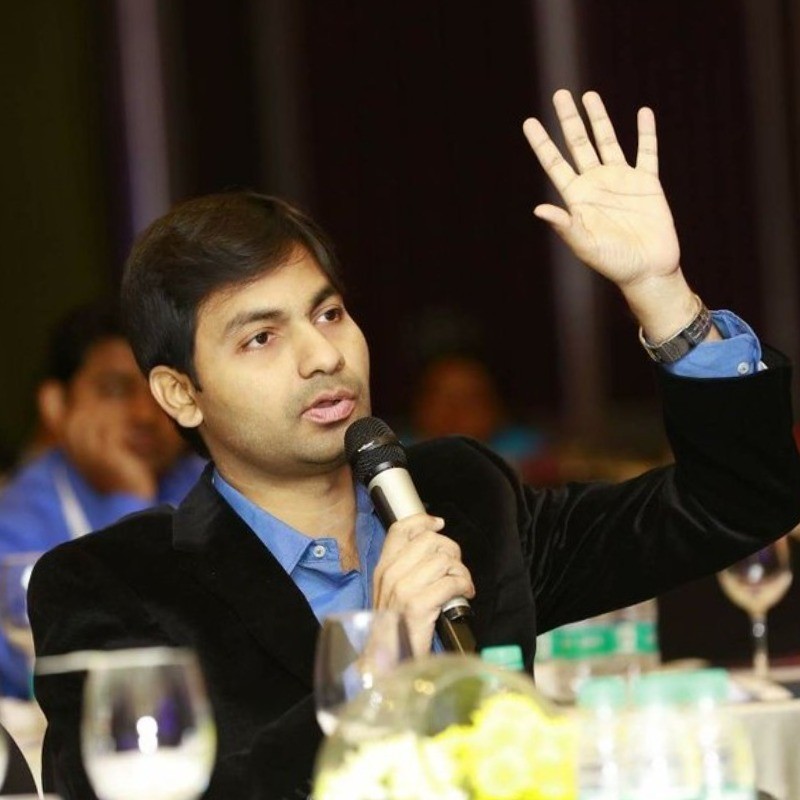
Akram Sheriff
AIVSS Distinguished Review Board
The OWASP AIVSS project’s Distinguished Review Board comprises world-renowned cybersecurity leaders, former government officials, and industry pioneers who provide strategic guidance and expert oversight for the AI Vulnerability Scoring System framework. We thank them for their guidance, several of whom have also supported this project’s work.
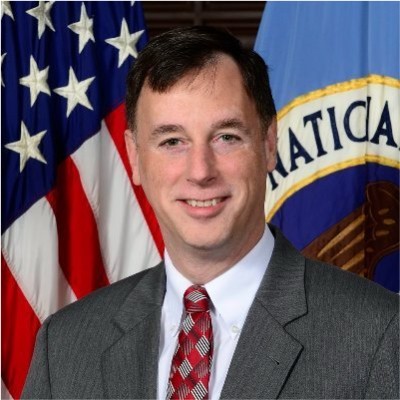
Rob Joyce
Advisor to PwC and OpenAI, Former Special Assistant to the President and Cybersecurity Coordinator

Jason Clinton
Deputy CISO, Anthropic

Amy R. Steagall
Chief Information Security Officer, Stanford University
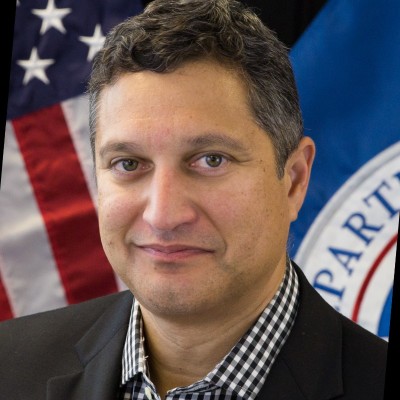
Martin Stanley
AI Risk Management Framework Lead, NIST
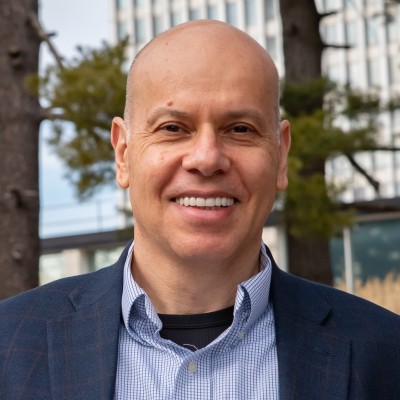
Apostol Vassilev
Research Supervisor, NIST

Andrew Coyne
CISO, Banner Health, Former CISO, Mayo Clinic

Kevin Rocque
Managing Director/Executive Vice President, Global Technology Risk Officer, TD Bank

Jeff Williams
Former Global OWASP Chair, Founder and CTO, Contrast Security

Michael Tran Duff
University Chief Information Security and Data Privacy Officer, Harvard University

Emil Bender Lassen
Standards Lead, AIUC-1
Agentic Skills Top 10 Founding Members
Founding members of the OWASP Agentic Skills Top 10 project itself — project leads, co-leads, and additional contributors — listed alphabetically. Several also contribute to the sibling OWASP AIVSS project listed above.
Ken Huang
Project Lead, Agentic Skills Top 10
Hammad Atta
Co-Lead, Agentic Skills Top 10

Manish Bhatt
Security Researcher, AWS
Fabio Cerullo
Co-Lead, Agentic Skills Top 10

David Girard
Senior Director, AI Security & AI Alliances, Trend Micro
Aonan Guan
Co-Lead, Agentic Skills Top 10
Bhavya Gupta
Co-Lead, Agentic Skills Top 10
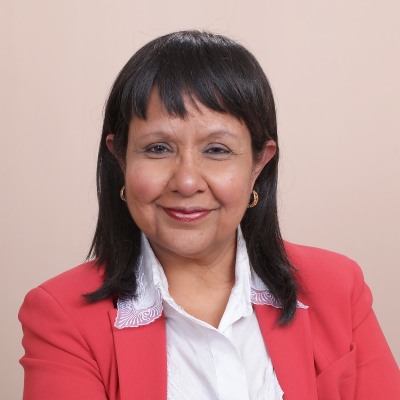
Pamela Gupta
Founder & CEO, OutSecure / Trusted AI

Idan Habler
Staff AI/ML Security Researcher, Intuit
Niv Hoffman
CTO, Air Security

Charles Iheagwara
AI/ML Security Leader, AstraZeneca

Sushmitha Janapareddy
Director - Security Integrations, American Express

Edward Lee
Vice President, Lead AI Security, JP Morgan

KJ Lian
Senior Manager, Data & AI (Public Sector), AWS
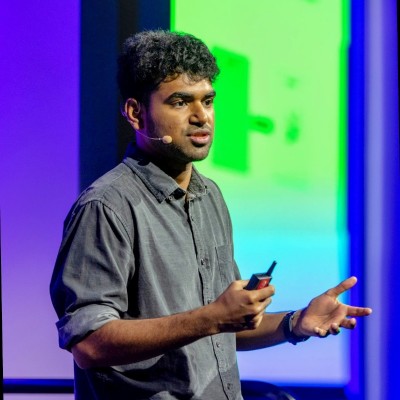
Vineeth Sai Narajala
Application Security, AWS
Iftach Orr
Co-Lead, Agentic Skills Top 10
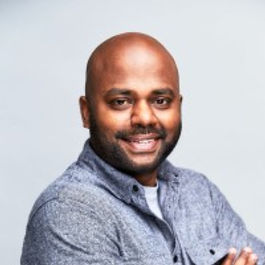
Kanna Sekar
Cyber Security, Google
Akram Sheriff
Co-Lead, Agentic Skills Top 10

Dennis Xu
Research VP, AI, Gartner
OWASP AIVSS Founding Members
The OWASP AIVSS (Agentic AI Vulnerability Scoring System) project is a sibling OWASP initiative focused on scoring the severity of agentic AI vulnerabilities. Its founding members are recognized here as OWASP founding members in the agentic AI security space; many of them have also contributed directly to the Agentic Skills Top 10 project’s research and review process.

Sunil Agrawal
Chief Information Security Officer, Glean

David Ames
Partner, PwC

Michael Bargury
Founder and CTO, Zenity

Joshua Beck
Application Security Architect, SAS
Manish Bhatt
Security Researcher, Amazon Kuiper Security

Mark Breitenbach
Security Engineer, Dropbox

Anat Bremler-Barr
Professor of Computer Science, Tel Aviv University

Siah Burke
HIPAA Security Officer, Siah.ai

David Campbell
AI Security, Scale AI

Ying-Jung Chen
AI safety researcher, PhD, Georgia Institute of Technology

Anton Chuvakin
Security Solution Strategy, Google

Jason Clinton
CISO, Anthorphic

Adam Dawson
Staff AI Security Researcher, Dreadnode

Leon Derczynski
Principal Research Scientist, NVIDIA

Walker Lee Dimon
AI Security Researcher, MITRE

Marissa Dotter
AI Security Researcher, MITRE

Dan Goldberg
ISO Market Lead, Omnicom

David Haber
CEO, Lakera
Idan Habler
Staff AI/ML Security Researcher, Intuit

Jason Haddix
Founder, Arcanum Information Security

Keith Hoodlet
Director of AI/ML & AppSec, Trail of Bits

Ken Huang
AIVSS Project Lead, OWASP

Chris Hughes
CEO, Aquia
Charles Iheagwara
AI/ML Security Leader, AstraZeneca
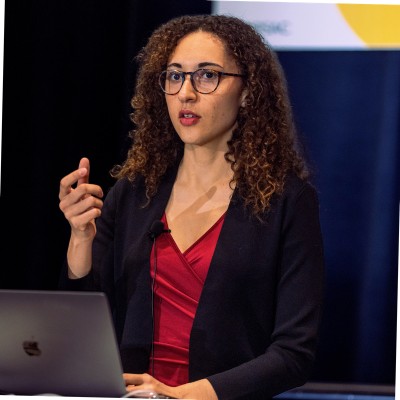
Krystal Jackson
Researcher, Center for Long-Term Cybersecurity, UC Berkeley
Sushmitha Janapareddy
Director - Security Integrations, American Express
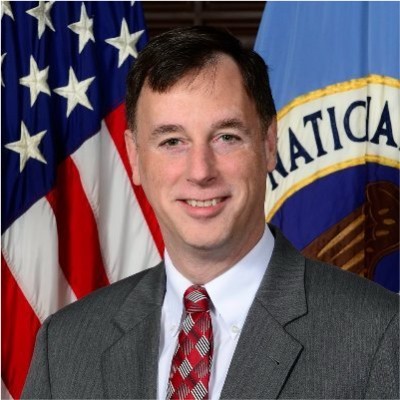
Rob Joyce
Former Cybersecurity Director of NSA, Advisor to PwC, PwC

Diana Kelley
CISO, Noma Security

Prashant Kulkarni
Lead AI Security Research Engineer, Google Cloud

Mahesh Lambe
Founder, MIT, Unify Dynamics
Edward Lee
Vice President, Lead AI Security, JP Morgan

Nate Lee
CEO, Cloudsec.ai

Vishwas Manral
CEO, Precize.ai

Daniela Muhaj
Executive-in-Residence for Research & Development, AI 2030
Vineeth Sai Narajala
Application Security, AWS

Om Narayan
AI Security Researcher, AWS
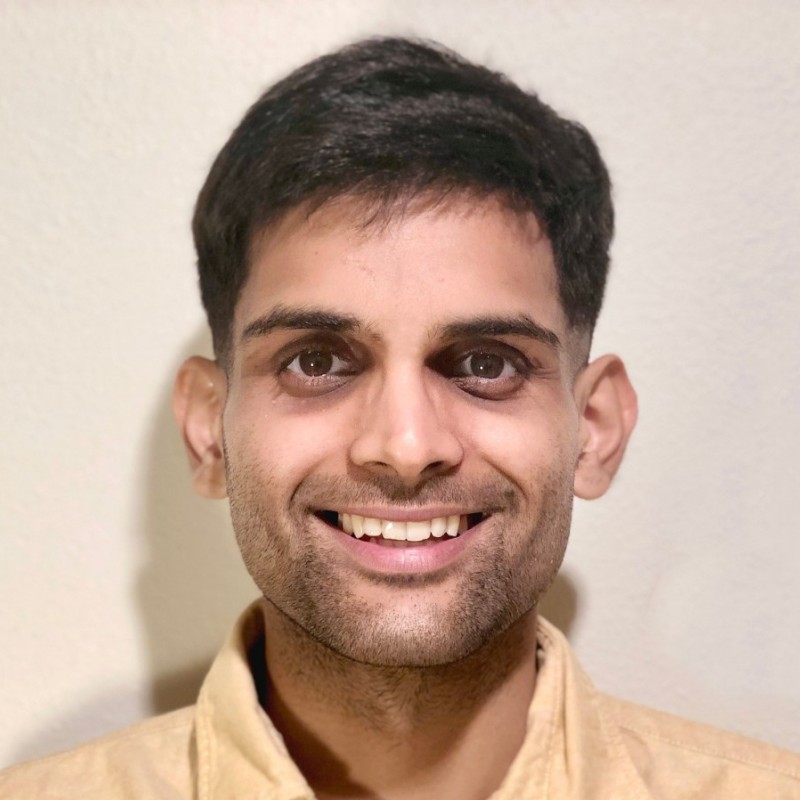
Varun Pant
Engineering and Product Leader, AI applications at the Automated Reasoning Group, AWS

Advait Patel
Senior Site Reliability Engineer (DevSecOps + Cloud + AIOps), Broadcom, IEEE
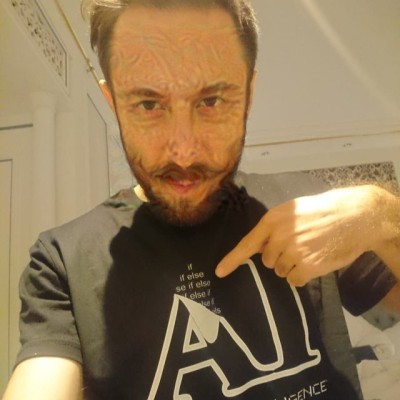
Alex Polyakov
CEO, adversa.ai
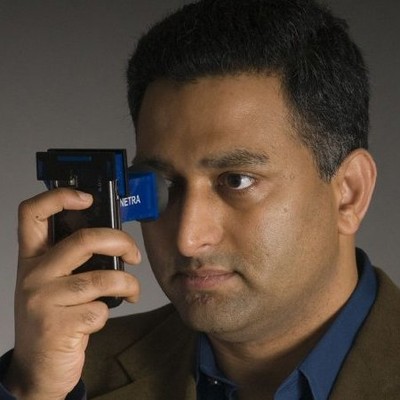
Ramesh Raskar
Professor & Director, MIT Media Lab

Ron F. Del Rosario
VP-Head of AI Security, SAP

Tal Shapira
Co-Founder & CTO, Reco AI

Akram Sheriff
Senior AI/ML Software Engineering Leader, Cisco

Samantha Siau
Security and Compliance, Anthropic
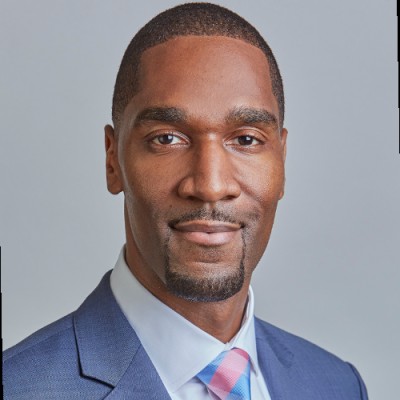
Kevin Simmonds
Partner on AI Offensive Security, PWC
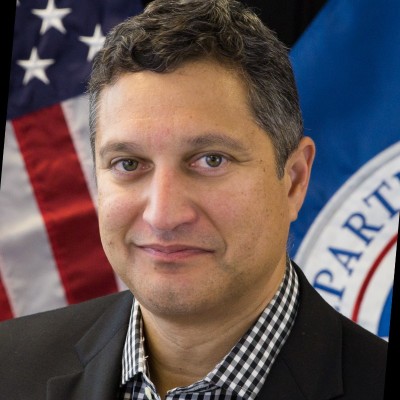
Martin Stanley
NIST AI RMF Lead, Independent

Omar A. Turner
General Manager of Security, Microsoft
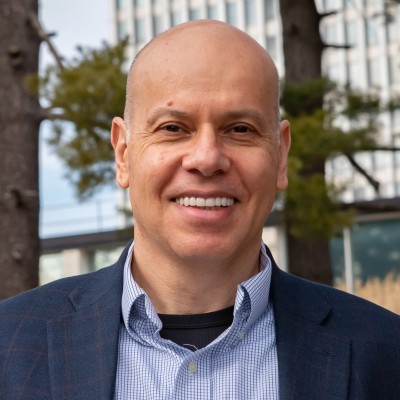
Apostol Vassilev
AI Research Team Supervisor, NIST

Matthew Versaggi
AI Fellow, White House Presidential Innovation Fellow
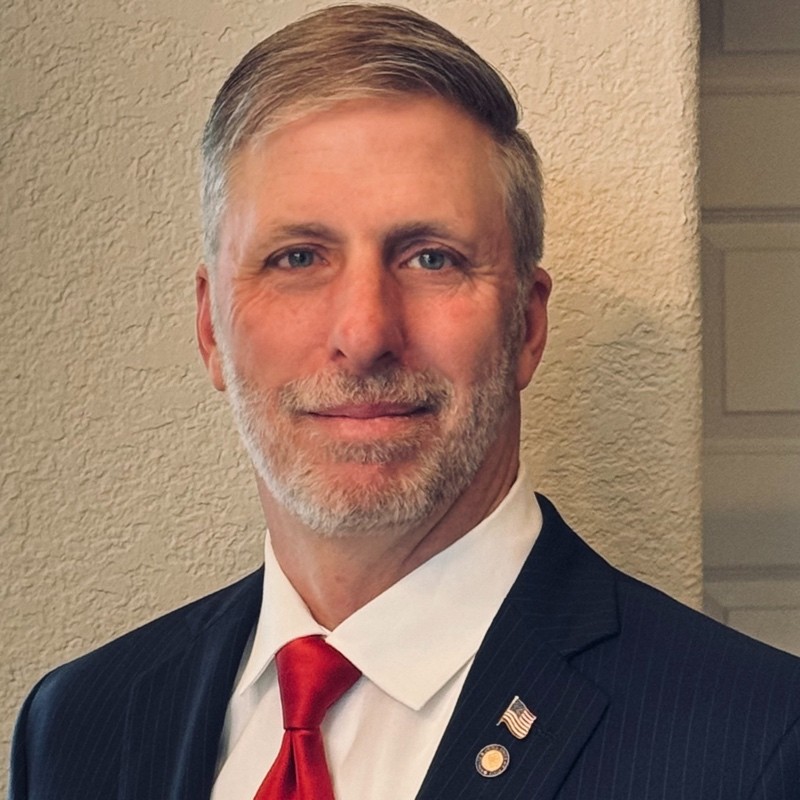
David Webb
Agency Cybersecurity Officer, Cybersecurity and Infrastructure Security Agency
Dennis Xu
Research VP, AI, Gartner

Xiaochen Zhang
Executive Director and Chief Responsible AI Officer, AI 2030
Recognition
We extend our gratitude to all founding members who have contributed to establishing this crucial framework for AI security assessment. Their vision and dedication have been instrumental in shaping the Agentic Skills Top 10 project.
Get Involved
Interested in contributing to the Agentic Skills Top 10 project? We welcome new contributors and leaders. Please see our Contribution Guidelines for more information on how to get involved.