OAT-003 Cost-Inflation Fraud
Cost-Inflation Fraud is an automated threat. The OWASP Automated Threat Handbook - Web Applications (pdf, print), an output of the OWASP Automated Threats to Web Applications Project, provides a fuller guide to each threat, detection methods and countermeasures. The threat identification chart helps to correctly identify the automated threat.
Definition
OWASP Automated Threat (OAT) Identity Number
OAT-003
Threat Event Name
Cost-Inflation Fraud
Summary Defining Characteristics
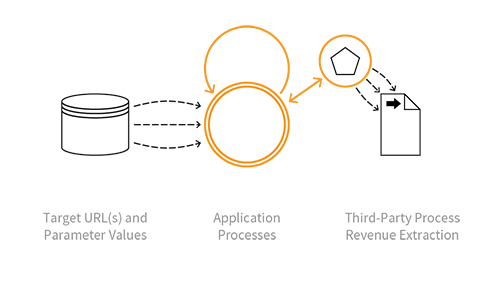
Mass use of functionality to illegitimately profit from chargeable supporting services.
Indicative Diagram
Description
Use of features which utilise some third-party provided services including API usage events (e.g. mapping, search, AI calls, messaging), pay per access (e.g. documents, research, data), advertising/affiliate marketing (e.g. click-throughs, advert views), and performance-related payment for a service (e.g. SEO). These interactions inflate charges billed by the relevant service provider. The attack depends on the service provider (or an employee, agent, intermediary, etc) also acting fraudulently or being compromised in some way, so the attacker is the beneficiary of the inflated charges.
See OAT-016 Skewing instead for similar activity that does not involve inflation of charges which benefit the attacker. Prior to v1.3, OAT-003 was named Ad Fraud.
Other Names and Examples
API usage inflation; Artificially Inflated Traffic (AIT); Advert fraud; Adware traffic; Click bot; Click fraud; Hit fraud; Impression fraud; Pay per click advertising abuse; Phoney ad traffic; SMS pumping; Toll fraud; Transfer pricing
See Also
Cross-References
CAPEC Category / Attack Pattern IDs
- 210 Abuse Existing Functionality
CWE Base / Class / Variant IDs
- 799 Improper Control of Interaction Frequency
- 841 Improper Enforcement of Behavioural Workflow
WASC Threat IDs
- 21 Insufficient Anti-Automation
- 42 Abuse of Functionality
OWASP Attack Category / Attack IDs
- Abuse of Functionality
Return to OWASP Automated Threats to Web Applications Project.